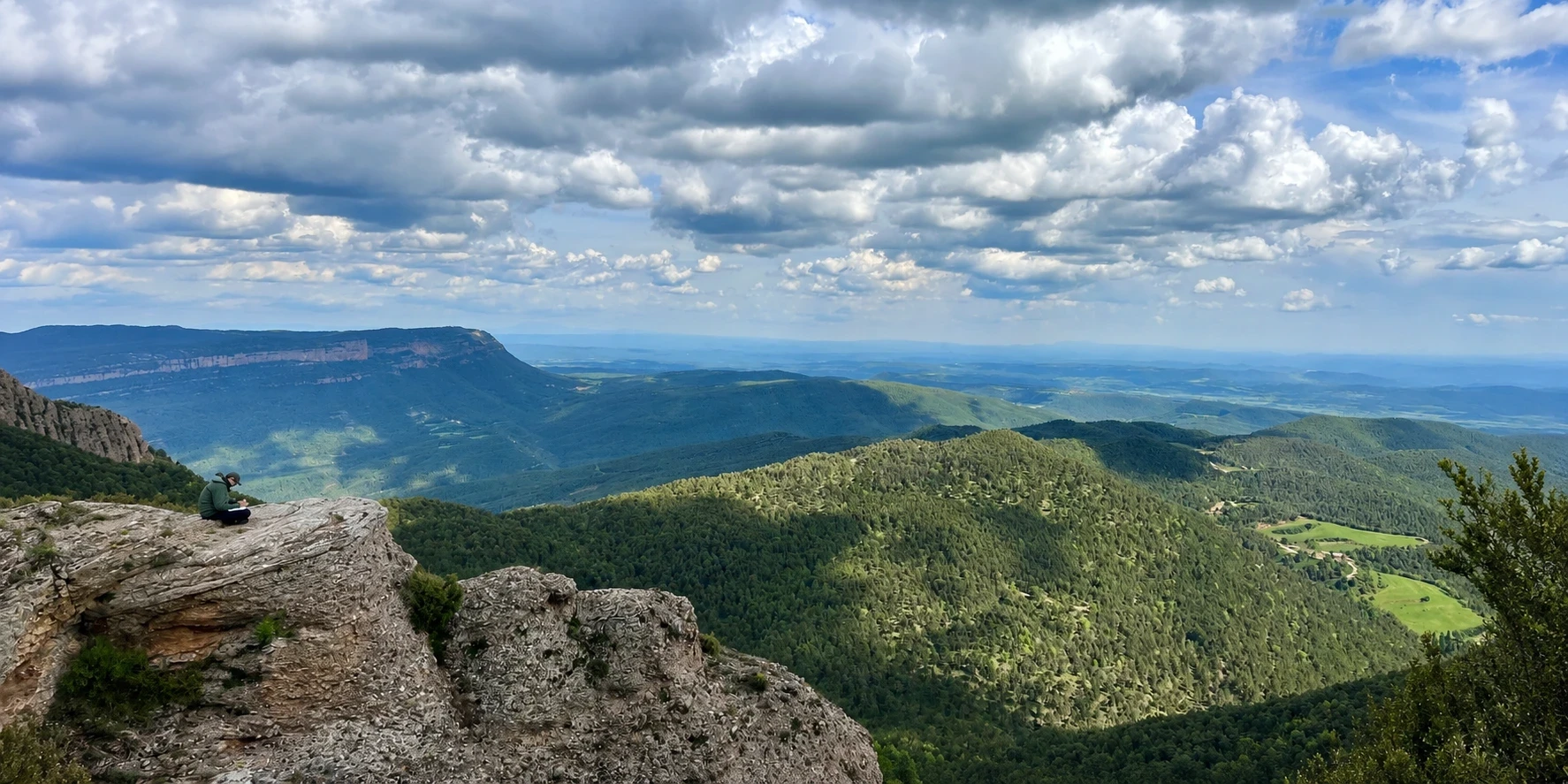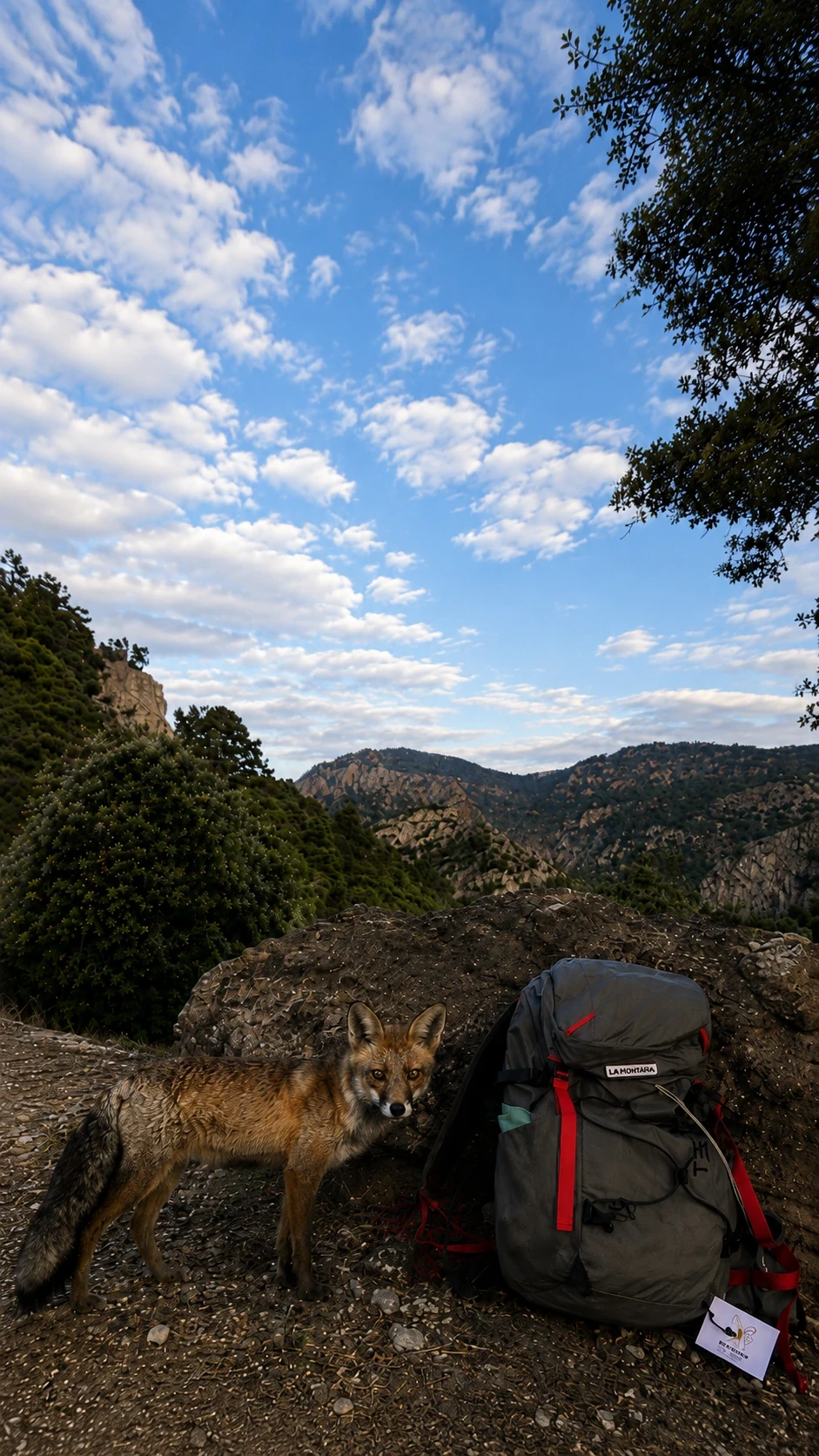
when a team moves, the way it thinks also moves.
itinerancy as methodology
at La Nomàdica, moving is not a logistical matter. it is not about going from one place to another to make the programme more attractive. it is about using movement as a methodological tool, a way of ordering the process.
when a team remains static, it often becomes fixed in the same way of thinking, conversing and interpreting the challenge. the same space. the same frame. the same arrangement. the same energy. the same kind of attention.
always being in the same place can make everything happen within the same mental state.
itinerancy breaks this fixation:
a new landscape activates new attention and asks for a different presence.
a displacement can mark a change of phase and modify the rhythm.
a stop can help look at what has just happened and allow synthesis.
a stretch of the route can give space for reflection and time for an idea to mature.
a change of place can hold a conversation that would not appear in the same way elsewhere.
it is not movement for the sake of movement.
itinerancy gives the process body, rhythm and direction; it helps organise the work. the group does not only talk about moving forward. it moves forward.
routine anaesthetises. itinerancy stimulates.
in a room, all conversations often happen in the same place. openings, tensions, decisions, syntheses, closures. everything remains within the same physical and mental frame.
in an itinerant process, we use the route, its rhythm and its settings as the architecture of the work, with a very concrete methodological value.
moving in and out of different environments allows patterns, exceptions and new perspectives to emerge. what seemed fixed in one context may appear different in another. what seemed blocked may find a new entry point. what seemed obvious may be questioned from another angle.
itinerancy does not accompany the work. it structures it and turns the route into an active part of the process.
itinerancy turns the process into experience and anchors learning.
movement sharpens observation.
awakens curiosity.
trains adaptability.
reinforces creativity.
activates decision-making.
and helps the team move out of overly rigid positions.
because when the context changes, people also have to readjust and accept that the plan may change.
this is exactly what many teams need to train.
not in the abstract.
not only by talking about it.
but by living it in a real context, with body, time, space and consequences.
when a conversation happens in a specific place, with a specific light, after a specific stretch, at a specific moment in the journey, it is more deeply fixed in memory. an agreement is not just a written sentence. it has a place. it has a moment. it has an image. it has an associated sensation.
itinerancy helps separate phases of the process.
itinerancy introduces an intelligence of the route.
it allows the process not to be a flat sequence, but an experience with moments, changes, intensities and transitions.
it gives structure without becoming rigid. it gives movement without losing direction.
not every moment in the process needs the same place.
not every conversation needs the same rhythm.
not every decision emerges from the same state.
not every synthesis is best done sitting down.
some conversations need a path.
some decisions need distance.
some tensions need air.
some ideas need time.
some teams need to move in order to listen to each other again.
itinerancy makes something simple but powerful visible: processes are not only thought through. they are also walked through.
moving is also a way of enjoying the territory without consuming it.
itinerancy also expresses a more conscious way of relating to territory when we distribute presence, recognise different environments, activate different bonds and generate more shared value.
not concentrating everything in one single point: less concentration of impact.
not turning a place into mere infrastructure: more relationship with the place.
not consuming landscape as scenery: more awareness of what each landscape enables, asks for and teaches.
what itinerancy enables
separating phases of the process.
giving rhythm and direction to the work.
preventing everything from happening within the same mental frame.
unlocking fixed positions.
activating new perspectives.
sharpening observation and curiosity.
training adaptability in a real way.
reinforcing creativity and decision-making.
associating conversations, agreements and learnings with specific places.
making what is lived, discussed and decided more memorable.
helping the team move from one state to another.
distributing presence and impact across the territory more effectively.
turning physical movement into process movement.